Anna Seghers
Ich will Wirklichkeit
('I want reality')
Love letters to Rodi,
1921 – 1925
In 1921, Netty Reiling asked her future husband for forgiveness for torturing him with so many letters, but whenever she had no news from him, she felt incapable of doing anything.
When Anna Seghers' grandson Jean Radványi looked through some old family papers, he discovered a cardboard box that contained something completely unexpected: over 400 letters which his grandmother Netty Reiling – Seghers had not yet chosen her pseudonym – had written to her later husband László Radványi. They provide insights into the previously veiled early life of one of the most significant German authors of the 20th century.
Her love letters to Rodi, as she called her great love throughout her life, tell of a deep affection, doubts and artistic awakening. They reveal a young woman who fought against society's expectations and her family's objections to her relationship with the student László, who hailed from Hungary, a woman who was searching for her path as a writer and was willing to stand by her feelings and convictions.
The letters paint a picture of the period of reorientation after the First World War and the increasing pressure of the external circumstances before the biggest catastrophe of 20th century would change everything. At the same time, they show that Anna Seghers was a young woman full of get-up-and-go, passion and great hopes. Never before has it been possible to get as intimately close to her as in these letters. Jutta Hoffmann brings the emotional as well as literary richness of these previously unknown letters to life during an evening that is about the courage to love – and the courage to write.
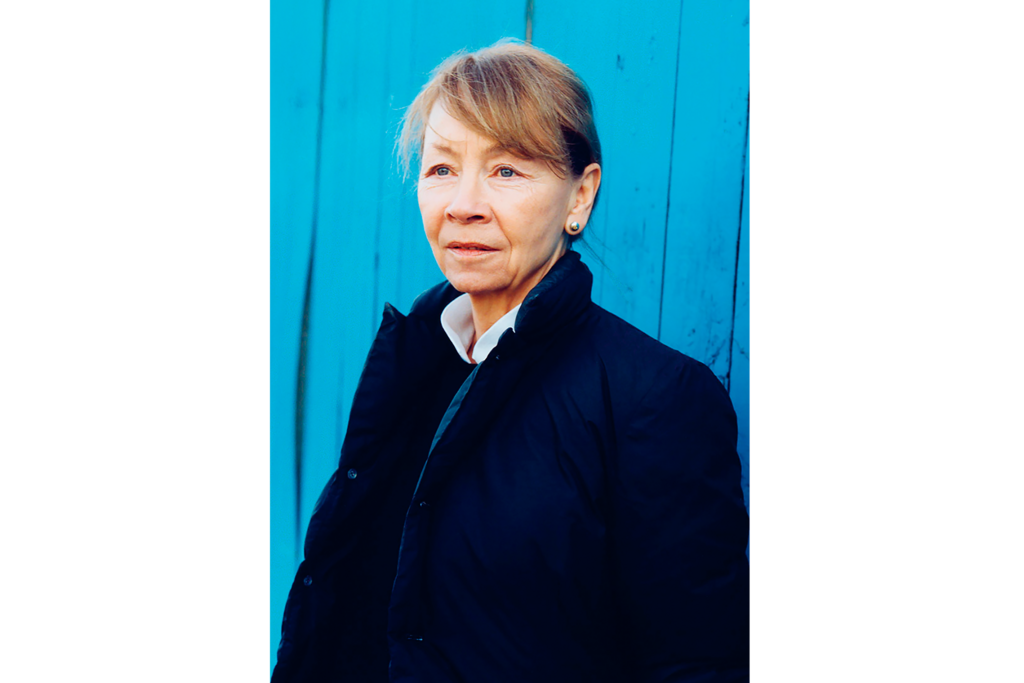
Ever since the early 1960s, Jutta Hoffmann has constantly delivered impressive performances in films and in theatres. She has been cast by some of Germany's best-known film and TV directors, including Frank Beyer, Herrmann Zschoche, Thomas Langhoff and, repeatedly, Egon Günther, with whom she collaborated closely and successfully for many years. In 1972, she won the Best Actress Silver Lion for her portrayal of Margit in Egon Günther's film Her Third at the Venice Film Festival. Her portrayals in productions by Ruth Berghaus, B. K. Tragelehn, Benno Besson, Peter Zadek or Einar Schleef, for example, proved her mastery and were considered to be some of the most outstanding events in German theatre history.
Dramatic rights: © Aufbau Verlage GmbH & Co. KG Berlin